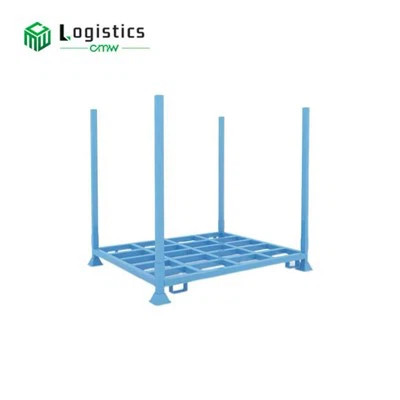

Ergonomic considerations play a crucial role in the design and implementation of barrel racking systems. As a barrel racking supplier, I understand the importance of creating solutions that not only meet the storage needs of our clients but also prioritize the well - being of those who interact with the racks on a daily basis. In this blog, we will explore the various ergonomic factors that should be taken into account when dealing with barrel racking.
1. Height and Accessibility
One of the primary ergonomic considerations is the height at which barrels are stored. If barrels are placed too high, it can be difficult and dangerous for workers to access them. This can lead to stretching, reaching, and potentially over - exertion, which may result in musculoskeletal injuries. On the other hand, if barrels are stored too low, workers may have to bend down repeatedly, which can also cause back pain and other issues.
For our Wine Barrel Rack, we design the racks with adjustable height levels. This allows our clients to customize the rack according to the height of their workers and the specific requirements of their storage facility. By providing easy access to barrels at a comfortable height, we reduce the risk of injury and improve the overall efficiency of the storage process.
2. Weight Distribution
Barrels can be quite heavy, especially when filled with liquid. Therefore, proper weight distribution is essential for the stability of the rack and the safety of the workers. Our Barrel Racks are engineered to evenly distribute the weight of the barrels across the rack structure. This not only prevents the rack from tipping over but also ensures that the load is evenly spread, reducing the stress on individual components.
We also take into account the center of gravity of the barrels. When placing barrels on the rack, it is important to position them in a way that maintains the stability of the overall structure. For example, larger and heavier barrels should be placed at the bottom of the rack, while smaller and lighter ones can be placed on the upper levels.
3. Space and Movement
Adequate space is necessary for workers to move around the barrel racking system safely. Narrow aisles can restrict movement and increase the risk of collisions. Our Wine Barrel Storage Racks are designed with wide aisles to allow for easy movement of workers and equipment.
In addition, we consider the flow of traffic within the storage area. The layout of the racks should be designed in a way that minimizes the need for workers to cross paths or make sharp turns. This helps to improve the efficiency of the storage process and reduces the risk of accidents.
4. Handling and Manipulation
The design of the barrel racking system should also facilitate easy handling and manipulation of the barrels. For example, the racks should have features such as handles or hooks that allow workers to lift and move the barrels safely. We also offer options for roller - based systems, which can make it easier to slide the barrels in and out of the rack.
Another important aspect is the ease of loading and unloading barrels. Our racks are designed to be compatible with various types of handling equipment, such as forklifts and pallet jacks. This ensures that the barrels can be moved quickly and efficiently, reducing the time and effort required for the storage and retrieval process.
5. Visibility and Identification
Good visibility is essential for workers to safely and efficiently access the barrels. Our barrel racking systems are designed with clear labeling and signage to help workers quickly identify the location of specific barrels. This reduces the time spent searching for barrels and minimizes the risk of errors.
In addition, we use materials and finishes that enhance visibility. For example, the racks can be painted in bright colors to make them more visible in a dimly lit storage area. This helps to improve the overall safety and efficiency of the storage process.
6. Comfort and Fatigue
Long - term use of barrel racking systems can cause fatigue and discomfort for workers. To address this issue, we consider the ergonomic design of the work environment. For example, we can provide anti - fatigue mats for workers who stand for long periods of time while working with the racks.


We also design the racks in a way that reduces the need for repetitive motions. By minimizing the number of times workers have to bend, reach, or lift, we can help to reduce the risk of fatigue and injury.
7. Adaptability and Customization
Every storage facility is unique, and the barrel racking system should be able to adapt to the specific needs of the client. As a supplier, we offer a wide range of customization options for our Barrel Racks. This includes the ability to adjust the height, width, and depth of the racks, as well as the number of levels and the type of shelving.
We also work closely with our clients to understand their specific requirements and design a racking system that meets their needs. Whether it is a small winery or a large industrial storage facility, we can provide a customized solution that is both ergonomic and efficient.
Conclusion
In conclusion, ergonomic considerations are essential for the design and implementation of barrel racking systems. By taking into account factors such as height, weight distribution, space, handling, visibility, comfort, and adaptability, we can create a safe and efficient storage environment for our clients.
If you are in the market for a barrel racking system, we invite you to contact us for a consultation. Our team of experts can help you design a customized solution that meets your specific needs and budget. We are committed to providing high - quality products and excellent customer service. Let us work together to create the perfect barrel racking system for your business.
References
- Grandjean, E. (1988). Fitting the Task to the Man: A Textbook of Occupational Ergonomics. Taylor & Francis.
- Kroemer, K. H. E., Kroemer, H. J., & Kroemer - Elbert, K. E. (2001). Engineering Physiology: Bases of Human Factors/Ergonomics. Oxford University Press.