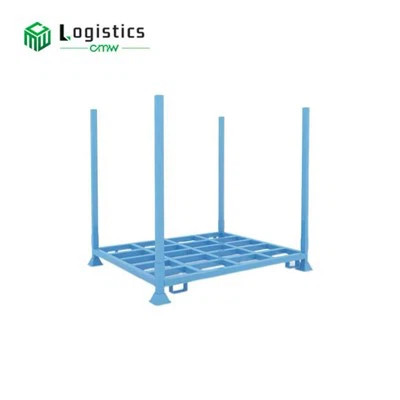

As a supplier of Wine Barrel Racks, I've witnessed firsthand the importance of proper storage for empty wine barrels. Over the years, I've interacted with numerous clients, from small - scale wineries to large - scale distributors, and the question of the best way to store empty wine barrels on a rack always seems to come up. In this blog, I'll share some insights and best practices based on industry knowledge and experience.


Understanding the Basics of Empty Wine Barrel Storage
Empty wine barrels need to be stored in a way that preserves their integrity and functionality. These barrels are not just containers; they are an essential part of the winemaking process. When not in use, they are susceptible to damage from various factors such as humidity, pests, and physical impact.
One of the primary considerations is the environment. Wine barrels should be stored in a cool, dry place. High humidity can lead to mold growth on the barrels, which can not only damage the wood but also contaminate future batches of wine. A humidity level between 50 - 70% is generally considered ideal. Temperature also plays a crucial role. Fluctuations in temperature can cause the wood to expand and contract, potentially leading to leaks or cracks. A stable temperature around 55 - 65°F (13 - 18°C) is recommended.
Types of Racks for Empty Wine Barrel Storage
There are several types of racks available for storing empty wine barrels, each with its own advantages and disadvantages.
Single - Tier Racks
Single - tier racks are the simplest form of wine barrel storage. They consist of a single level where barrels can be placed horizontally. This type of rack is easy to load and unload, and it provides easy access to each barrel. It is a great option for small wineries or for storing a limited number of barrels. However, it uses a relatively large amount of floor space, which can be a drawback for larger operations. You can find a variety of single - tier Wine Barrel Storage Racks on our website.
Multi - Tier Racks
Multi - tier racks are designed to maximize vertical space. They allow you to stack barrels on top of each other, significantly reducing the floor space required for storage. This is ideal for large wineries or storage facilities with limited space. However, loading and unloading barrels from higher tiers can be more challenging and may require additional equipment such as forklifts or hoists. Our Wine Barrel Rack options include a range of multi - tier designs to suit different needs.
Stacking Racks
Stacking racks are specifically designed to stack barrels vertically. They are often used when storing a large number of barrels of the same size. These racks provide excellent stability and can make efficient use of space. However, they may limit access to individual barrels, as you may need to move other barrels to reach the ones at the bottom. Explore our selection of Barrel Racks for stacking solutions.
Best Practices for Storing Empty Wine Barrels on Racks
Barrel Orientation
When placing empty wine barrels on a rack, the orientation matters. Barrels should generally be stored horizontally. This helps to keep the wood moist and prevents it from drying out and cracking. Storing barrels horizontally also distributes the weight evenly across the rack, reducing the risk of damage to the rack or the barrels.
Securing the Barrels
It is essential to secure the barrels on the rack to prevent them from rolling or falling. This can be done using straps, chains, or other securing mechanisms. For multi - tier racks, additional bracing may be required to ensure the stability of the entire structure.
Inspection and Maintenance
Regular inspection of the barrels and the racks is crucial. Check for any signs of damage, such as cracks in the wood or loose parts in the rack. If any issues are detected, they should be addressed immediately. For example, if a barrel has a small crack, it can be repaired before it becomes a major problem. Also, keep the racks clean and free from debris to prevent corrosion or damage.
Labeling
Labeling the barrels can be extremely helpful, especially in large storage facilities. Labels can indicate the type of wine that was previously stored in the barrel, the age of the barrel, and other relevant information. This makes it easier to manage inventory and select the appropriate barrels for future use.
Choosing the Right Rack for Your Needs
When selecting a rack for storing empty wine barrels, there are several factors to consider.
Capacity
The capacity of the rack should match your storage needs. If you have a small number of barrels, a single - tier rack may be sufficient. However, if you have a large inventory, a multi - tier or stacking rack may be more appropriate.
Durability
The rack should be made of high - quality materials that can withstand the weight of the barrels and the environmental conditions in the storage area. Metal racks are often a popular choice due to their strength and durability, but wooden racks can also be a good option if properly treated and maintained.
Cost
Cost is always a consideration. You need to balance the cost of the rack with its quality and functionality. While it may be tempting to choose the cheapest option, investing in a high - quality rack can save you money in the long run by reducing the risk of damage to your barrels.
Conclusion
Proper storage of empty wine barrels on a rack is essential for maintaining the quality of the barrels and ensuring their long - term usability. By understanding the different types of racks available, following best practices for storage, and choosing the right rack for your needs, you can optimize your storage space and protect your investment.
If you're in the market for a Wine Barrel Rack, we are here to help. Our company offers a wide range of high - quality racks designed to meet the diverse needs of wineries and wine storage facilities. Whether you need a single - tier rack for a small operation or a large - scale multi - tier rack for a commercial winery, we have the solution for you. Contact us today to discuss your specific requirements and start the procurement process.
References
- Wine Storage Handbook: A Guide to Optimal Wine Preservation. [Author Name]. [Publication Year].
- Barrel Technology in Winemaking. [Author Name]. [Publication Year].
- Best Practices for Wine Barrel Management. [Industry Report]. [Publication Year].