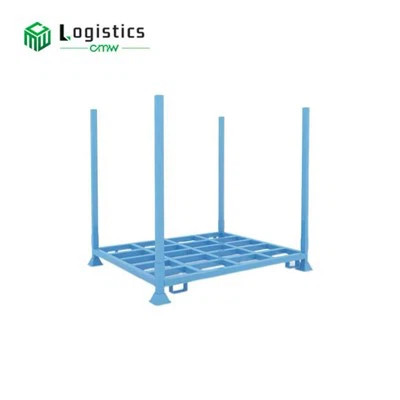

Hey there! As a Carpet Racking supplier, I've seen firsthand the importance of getting the installation right. In this blog, I'll walk you through all the installation requirements for carpet racking in a warehouse.
1. Warehouse Space Assessment
First things first, you've gotta assess your warehouse space. You need to know how much room you have available for the carpet racking. Measure the length, width, and height of the area where you plan to install the racks. Make sure there are no obstructions like pillars, pipes, or electrical outlets that could interfere with the installation.
The height of your warehouse is crucial. You want to make the most of the vertical space. If your warehouse has a high ceiling, you can go for taller racks to store more carpet rolls. But keep in mind that taller racks may require additional support and stability measures.
Also, think about the layout of your warehouse. You need to ensure that there's enough space for forklifts or other handling equipment to move around the racks. Clear aisles are a must to avoid any accidents and to make the storage and retrieval of carpet rolls as efficient as possible.
2. Floor Condition
The floor in your warehouse plays a huge role in the installation of carpet racking. It needs to be flat, level, and strong enough to support the weight of the racks and the carpet rolls. Uneven floors can cause the racks to tilt or become unstable, which is a safety hazard.
Before installation, check for any cracks, bumps, or slopes on the floor. If you find any issues, you may need to repair or level the floor. In some cases, you might need to install a sub - floor or use leveling pads under the rack legs to ensure a stable base.
The load - bearing capacity of the floor is also important. Carpet rolls can be quite heavy, especially when stored in large quantities. You need to make sure that the floor can handle the weight without sinking or cracking. If you're not sure about the load - bearing capacity, it's a good idea to consult a structural engineer.
3. Rack Design and Configuration
When it comes to carpet racking, there are different designs and configurations to choose from. You can go for Warehouse Carpet Roll Rack or Steel Fabric Storage Rack. The design you choose depends on the size and weight of your carpet rolls, as well as your storage requirements.
If you have large and heavy carpet rolls, you'll need a rack with a strong and sturdy frame. Look for racks made of high - quality steel that can withstand the weight. Adjustable racks are also a great option as they allow you to customize the height and width of the storage compartments according to your needs.
The configuration of the racks is another important factor. You can choose between single - sided or double - sided racks. Double - sided racks are more space - efficient as they allow you to store carpet rolls on both sides. However, they may require more aisle space for access.
4. Safety Requirements
Safety should always be a top priority when installing carpet racking in a warehouse. You need to ensure that the racks are installed correctly to prevent any collapses or accidents.
First, make sure that all the rack components are properly assembled. Follow the manufacturer's instructions carefully and use the right tools for the job. Loose or improperly installed components can lead to instability.
Install safety features such as rack guards and netting. Rack guards protect the racks from damage caused by forklifts or other equipment, while netting prevents the carpet rolls from falling off the racks.

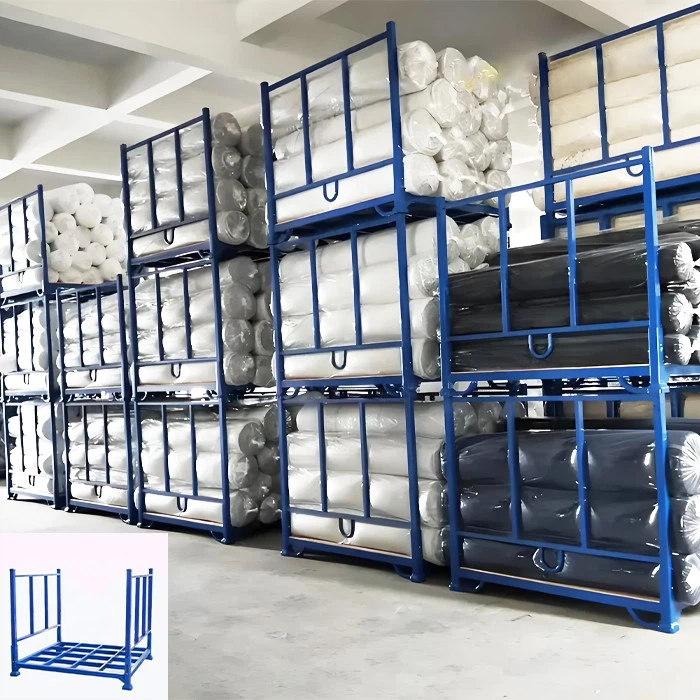
It's also important to have clear signage around the racks. Mark the maximum load capacity of each rack and the recommended storage procedures. This will help your employees operate safely and avoid overloading the racks.
5. Installation Tools and Equipment
To install carpet racking, you'll need the right tools and equipment. Basic tools like wrenches, screwdrivers, and drills are essential for assembling the rack components. You may also need a forklift or a pallet jack to move the heavy racks and carpet rolls into place.
Make sure that all your tools are in good working condition. Dull or damaged tools can make the installation process more difficult and may even lead to mistakes. If you don't have the necessary tools or equipment, you can rent them from a local equipment rental store.
6. Professional Installation vs. DIY
Deciding whether to install the carpet racking yourself or hire a professional is an important decision. DIY installation can save you money, but it requires a certain level of skills and experience. If you're confident in your abilities and have the necessary tools, you can give it a try.
However, if you're not familiar with rack installation or if your warehouse has complex requirements, it's best to hire a professional installation team. They have the expertise and experience to ensure that the racks are installed correctly and safely. A professional installation can also save you time and reduce the risk of mistakes.
7. Maintenance and Inspection
Once the carpet racking is installed, regular maintenance and inspection are necessary to keep it in good condition. Check the racks regularly for any signs of damage, such as bent or broken components. Tighten any loose bolts or nuts to maintain the stability of the racks.
Keep the racks clean and free from dust and debris. This will not only make the warehouse look better but also prevent any corrosion or damage to the racks. If you notice any major issues during the inspection, such as a cracked frame or a severely damaged component, replace it immediately to avoid any safety risks.
Conclusion
Installing carpet racking in a warehouse requires careful planning and attention to detail. From assessing the warehouse space and floor condition to choosing the right rack design and ensuring safety, every step is important. By following these installation requirements, you can create a safe and efficient storage solution for your carpet rolls.
If you're interested in Carpet Racking for your warehouse, don't hesitate to reach out. We're here to help you with all your carpet racking needs. Whether you need advice on the best rack design, professional installation services, or just want to learn more about our products, we're ready to assist. Contact us today to start the conversation and take the first step towards a better - organized warehouse.
References
- General knowledge from years of experience in the carpet racking industry.
- Industry standards and best practices for warehouse rack installation.