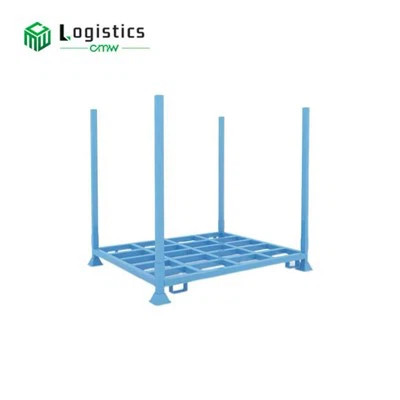

Hey there! I'm a supplier of Carpet Racking, and today I want to dig into the environmental impacts of carpet racking production. It's a topic that's super important, not just for us suppliers but for everyone who cares about our planet.
First off, let's talk about the materials. Most carpet racking, like our Steel Fabric Storage Rack, is made from steel. Steel production is a big deal when it comes to the environment. The process of making steel involves a lot of energy. Mining the iron ore, which is the main ingredient in steel, requires heavy machinery that guzzles fossil fuels. These fuels release greenhouse gases like carbon dioxide into the atmosphere. And then, in the steelmaking process itself, high - temperature furnaces are used. These furnaces often run on coal or natural gas, adding even more to the carbon footprint.
But it's not all doom and gloom. Some steel manufacturers are now using more sustainable methods. For example, they're recycling scrap steel. Recycling steel uses way less energy compared to producing it from raw iron ore. It can save up to 75% of the energy needed for primary steel production. As a Carpet Racking supplier, we're always on the lookout for steel suppliers who are committed to these more eco - friendly practices. We know that by choosing the right materials, we can reduce the environmental impact of our Warehouse Carpet Roll Rack production.
Another aspect to consider is the transportation of materials. The steel for our carpet racking has to be transported from the steel mill to our manufacturing facility. If the mill is far away, this means long - distance shipping, which usually involves trucks, trains, or ships. All of these modes of transport burn fossil fuels and emit pollutants. To cut down on this, we try to source our steel from local suppliers whenever possible. This not only reduces the carbon emissions from transportation but also supports the local economy.
Now, let's look at the manufacturing process itself. When we're making Carpet Racking, we use various tools and machinery. These machines need electricity to run, and if that electricity comes from non - renewable sources like coal - fired power plants, it's bad news for the environment. That's why we're gradually shifting to using more renewable energy sources in our factory. We've installed some solar panels on the roof, which helps power a part of our operations. It's a small step, but every bit counts.
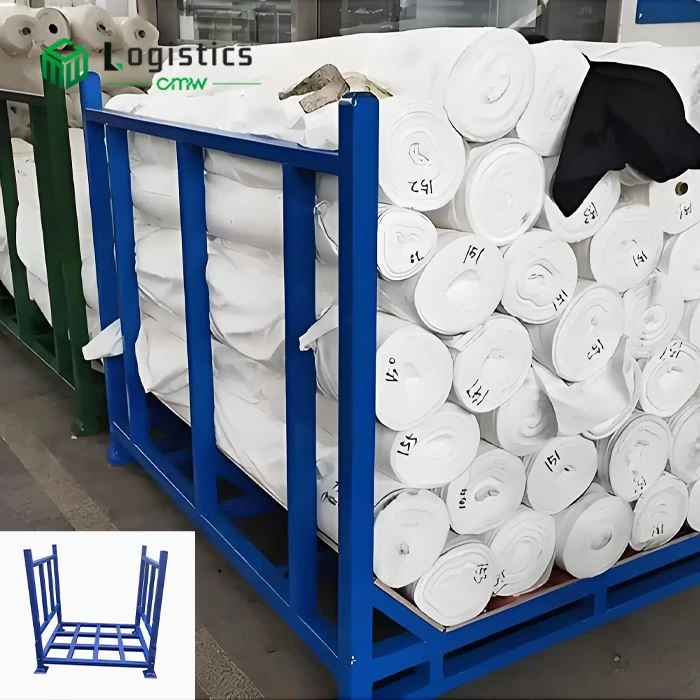
In addition to energy use, the manufacturing process also generates waste. There are cut - offs from the steel pieces, and sometimes there are defective parts that can't be used. We try to minimize this waste by optimizing our cutting processes. We use computer - aided design (CAD) software to plan the cutting of steel sheets in the most efficient way possible, so we use as much of the material as we can. And for the waste that we do generate, we make sure to recycle it.
The finishing of the carpet racking is another area where there can be environmental impacts. Many racking products are painted or coated to prevent rust and make them look nice. Traditional paints and coatings often contain volatile organic compounds (VOCs). These VOCs can evaporate into the air, contributing to air pollution and potentially harming human health. We've switched to using low - VOC or VOC - free paints and coatings. They might cost a bit more, but the environmental benefits are well worth it.
Once our carpet racking is produced, it has to be transported to our customers. Just like with the raw materials, this transportation can have a significant environmental impact. We're working on optimizing our delivery routes to reduce the distance traveled and the amount of fuel used. We're also looking into using more fuel - efficient vehicles or even electric vehicles for local deliveries in the future.

When it comes to the end - of - life of our carpet racking, we believe in the principle of the circular economy. Our racking is designed to be durable, so it has a long lifespan. But when it does reach the end of its useful life, we encourage our customers to recycle it. Steel is highly recyclable, and by recycling our old carpet racking, we can prevent it from ending up in landfills and reduce the need for new steel production.
In conclusion, the production of carpet racking has several environmental impacts, from the sourcing of materials to the end - of - life disposal. But as a supplier, we're taking steps to minimize these impacts. We're choosing more sustainable materials, using renewable energy, reducing waste, and promoting recycling. We know that we have a responsibility to the environment, and we're committed to doing our part.
If you're in the market for high - quality, environmentally - conscious Carpet Racking, we'd love to talk to you. Whether you need a Steel Fabric Storage Rack or a Warehouse Carpet Roll Rack, we've got you covered. Let's work together to make your storage solutions both efficient and eco - friendly. Reach out to us, and let's start the conversation about your carpet racking needs.
References
- American Iron and Steel Institute. (2023). Steel Recycling.
- Environmental Protection Agency. (2023). Volatile Organic Compounds (VOCs).
- International Energy Agency. (2023). Energy Efficiency in Industry.