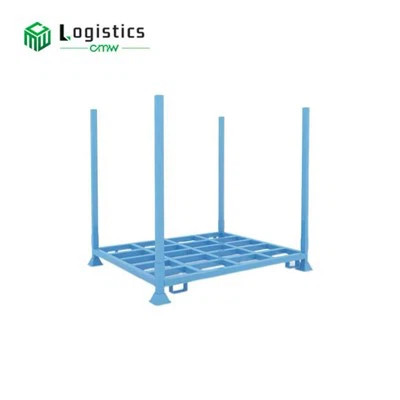

As a post pallet supplier, I understand the importance of keeping post pallets clean. Dirty post pallets not only look unappealing but can also lead to various issues such as reduced lifespan, contamination of goods, and potential safety hazards. In this blog, I will share some of the best ways to clean a dirty post pallet, ensuring that they remain in top - notch condition for your business needs.

Understanding the Types of Post Pallets
Before diving into the cleaning methods, it's essential to know the different types of post pallets we offer. We have Heavy Duty Post Pallets, which are designed to handle large and heavy loads. Their robust construction makes them suitable for industrial environments. Steel Post Pallet is another popular option, known for its durability and resistance to corrosion. And Demountable Post Pallet offers flexibility, allowing for easy assembly and disassembly, which is great for storage and transportation.

Initial Assessment
The first step in cleaning a dirty post pallet is to conduct a thorough assessment. Look for any visible signs of dirt, debris, stains, or damage. Different types of dirt require different cleaning approaches. For example, light dust and surface dirt can be removed more easily than grease or chemical stains. Also, check for any loose parts or structural damage that might need repair before cleaning.
Dry Cleaning Methods
- Brushing
- Using a stiff - bristled brush is an effective way to remove dry dirt and debris from the surface of the post pallet. Start by brushing the entire pallet, focusing on the corners and edges where dirt tends to accumulate. This method is especially useful for post pallets that are only lightly soiled.
- For heavy - duty post pallets, a wire brush can be used to tackle more stubborn dirt, but be careful not to scratch the surface, especially if it's a steel post pallet.
- Vacuuming
- A high - powered industrial vacuum cleaner can be used to suck up loose dirt and dust. This is a quick and efficient way to clean large areas of the post pallet. Make sure to use the appropriate attachments to reach all the nooks and crannies.
Wet Cleaning Methods
- Water and Mild Detergent
- For more stubborn dirt and stains, a solution of water and mild detergent can be used. Mix a small amount of detergent in a bucket of warm water. Dip a soft - bristled brush or a sponge into the solution and gently scrub the dirty areas of the post pallet.
- After scrubbing, rinse the pallet thoroughly with clean water to remove any soap residue. This method is suitable for most types of post pallets, including demountable post pallets, as long as the materials are not damaged by water.
- Pressure Washing
- Pressure washing is a powerful cleaning method that can quickly remove heavy dirt and grime. However, it should be used with caution, especially on post pallets with delicate components. Set the pressure to a moderate level to avoid damaging the pallet.
- When pressure washing, hold the nozzle at a proper distance from the pallet surface and move it in a consistent pattern to ensure even cleaning. This method is particularly useful for steel post pallets that can withstand the force of the water.
Cleaning for Specific Contaminants
- Grease and Oil Stains
- Grease and oil stains can be challenging to remove. A degreaser can be used to break down the grease. Apply the degreaser to the stained area and let it sit for a few minutes to penetrate the stain. Then, scrub the area with a brush and rinse with water.
- For post pallets used in automotive or manufacturing industries where grease and oil are common contaminants, this method is essential to keep the pallets clean and functional.
- Mold and Mildew
- Mold and mildew can grow on post pallets, especially in damp environments. A solution of bleach and water (one part bleach to ten parts water) can be used to kill the mold and mildew. Wear protective gloves and goggles when handling bleach.
- Spray the solution on the affected areas and let it sit for 10 - 15 minutes. Then, scrub the area and rinse thoroughly. Make sure to dry the pallet completely to prevent future mold growth.
Drying the Post Pallet
After cleaning, it's crucial to dry the post pallet properly. Leaving a wet pallet can lead to rust (in the case of steel post pallets) or mold growth.
- Air Drying
- Place the pallet in a well - ventilated area and let it air dry naturally. This is the simplest and most cost - effective method. However, it may take some time, especially if the pallet is large or the humidity is high.
- Using a Fan or Heater
- To speed up the drying process, you can use a fan or a heater. A fan can be placed near the pallet to increase air circulation, while a heater can be used in colder or more humid conditions. Just make sure not to overheat the pallet, especially if it's made of plastic or other heat - sensitive materials.
Preventive Measures
- Regular Inspections
- Conduct regular inspections of your post pallets to catch any dirt or damage early. This can prevent the dirt from building up and becoming more difficult to clean.
- Proper Storage
- Store post pallets in a clean and dry environment. Avoid storing them in areas prone to moisture, dust, or chemical exposure.
- Protective Coatings
- Consider applying a protective coating to the post pallets. This can make them more resistant to dirt, stains, and corrosion.
Conclusion
Cleaning dirty post pallets is an important aspect of maintaining their quality and functionality. By following the methods outlined in this blog, you can ensure that your post pallets, whether they are Heavy Duty Post Pallets, Steel Post Pallet, or Demountable Post Pallet, remain in excellent condition.

If you are interested in purchasing high - quality post pallets or have any questions about cleaning and maintenance, we are here to help. Feel free to reach out to us for more information and to start a procurement discussion.

References
- Industrial Cleaning Handbook: Best Practices for Equipment Maintenance.
- Pallet Manufacturing and Maintenance Guide.