


Hey there! I'm a supplier of post pallets, and I've seen my fair share of damaged pallets over the years. It's a real pain, not just for me but for my customers too. Damaged pallets can lead to all sorts of problems, from product damage to safety hazards. So, I thought I'd share some tips on how to prevent post pallets from getting damaged.
1. Choose the Right Pallet for the Job
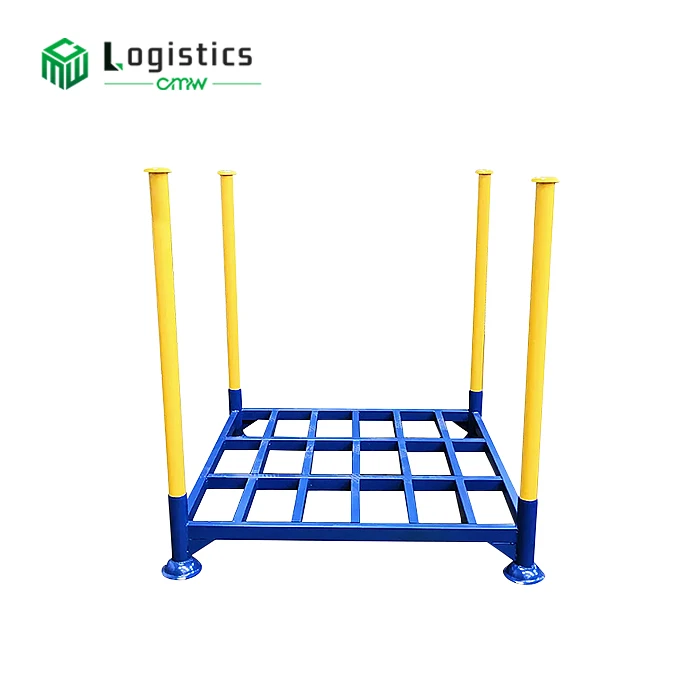
First things first, you need to pick the right post pallet for your specific needs. There are different types out there, like Metal Post Pallets, Steel Post Pallet, and Heavy Duty Post Pallets. Each type has its own strengths and weaknesses.
If you're dealing with heavy loads, go for heavy-duty post pallets. They're built to handle the weight and are less likely to break under pressure. On the other hand, if you're working in a more lightweight environment, a regular metal or steel post pallet might do the trick. Make sure you consider the weight, size, and shape of the items you'll be storing or transporting on the pallet.
2. Proper Loading and Unloading
How you load and unload your post pallets can make a huge difference in their lifespan. When loading, distribute the weight evenly across the pallet. Don't stack all the heavy items on one side, or you'll risk the pallet tipping over or getting damaged. Use a forklift or other lifting equipment properly. Make sure the forks are inserted all the way into the pallet and that the load is stable before lifting.
When unloading, be just as careful. Don't yank the items off the pallet in a hurry. Take your time and remove the items one by one, or in an organized way if you're using a machine. If you're using a conveyor belt, make sure the pallet is aligned properly so it doesn't get caught or knocked around.
3. Storage Conditions
Where you store your post pallets matters a lot. Keep them in a dry, clean place. Moisture can cause rust and corrosion, especially if you're using metal or steel pallets. If your storage area is prone to dampness, consider using a dehumidifier or storing the pallets on raised platforms to keep them off the ground.
Also, avoid storing pallets in direct sunlight for long periods. The heat can cause the materials to expand and contract, which can weaken the pallet over time. If possible, store the pallets indoors or under a covered area.
4. Regular Inspections
Make it a habit to inspect your post pallets regularly. Look for any signs of damage, such as cracks, bent parts, or loose joints. If you find any issues, address them right away. You might be able to repair a minor problem before it gets worse. For example, if a joint is starting to come loose, you can use a suitable adhesive or a fastener to fix it.
If a pallet is severely damaged, don't try to use it. It's not worth the risk of product damage or injury. Instead, replace it with a new one. Keeping a stock of spare pallets on hand can make this process easier.
5. Training for Employees
If you have employees who handle the post pallets, make sure they're properly trained. Teach them the correct way to load, unload, and store the pallets. Show them how to use the lifting equipment safely and how to spot signs of damage. A well-trained employee is less likely to cause damage to the pallets.

You can also hold regular safety meetings to reinforce these training points and keep the importance of pallet care fresh in their minds. Encourage them to report any issues they notice with the pallets immediately.
6. Avoid Rough Handling
Tell your employees to avoid rough handling of the post pallets. Don't let them kick, drag, or throw the pallets around. These actions can cause unnecessary damage. If you're using a forklift, make sure the operator doesn't drive into the pallets or hit them against other objects.
If you're transporting the pallets, use proper packaging and securing methods. Make sure the pallets are stable in the vehicle and won't shift around during transit.
7. Use Protective Accessories
There are some accessories you can use to protect your post pallets. For example, you can use corner protectors to prevent the edges of the pallet from getting damaged. These protectors can absorb the impact if the pallet gets bumped into something.
You can also use pallet covers to protect the items on the pallet from dust, dirt, and moisture. This can indirectly help protect the pallet as well, as it reduces the chance of the items causing damage to the pallet due to movement or moisture.
8. Maintenance and Repairs
As I mentioned earlier, if you find a damaged pallet, don't ignore it. Have a maintenance plan in place for your post pallets. If you're not experienced in pallet repair, you can hire a professional to do it. They'll have the right tools and knowledge to fix the problem properly.
Regularly clean the pallets to remove any dirt, debris, or chemicals that could cause damage. You can use a mild detergent and a soft brush to clean the pallets. Rinse them thoroughly and let them dry completely before using or storing them again.
9. Follow Manufacturer's Guidelines
Each type of post pallet comes with its own set of manufacturer's guidelines. Make sure you read and follow them. The manufacturer knows their product best and can provide valuable information on how to use, store, and maintain the pallets.
For example, they might recommend a specific type of cleaning agent or a certain way to load the pallets. Ignoring these guidelines can void the warranty and increase the risk of damage.
10. Stay Informed
The world of post pallets is always evolving. New materials and designs are being developed all the time. Stay informed about the latest trends and best practices in pallet care. You can do this by reading industry magazines, attending trade shows, or joining online forums.
By staying up-to-date, you can make better decisions about which pallets to buy and how to take care of them. You might even discover new ways to prevent damage that you never thought of before.
In conclusion, preventing post pallets from getting damaged is all about being proactive. By following these tips, you can extend the lifespan of your pallets, save money in the long run, and ensure the safety of your products and employees.
If you're in the market for high-quality post pallets or need more advice on pallet care, don't hesitate to reach out. We're here to help you find the right solution for your needs. Let's work together to keep your operations running smoothly with reliable post pallets.
References
- General industry knowledge and experience in post pallet supply and handling.
- Manufacturer's guidelines for various post pallet products.


