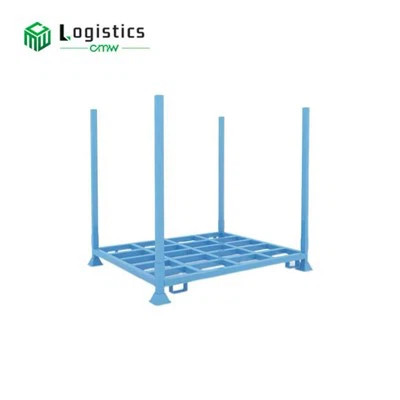

Hey there! I'm a supplier of gas cylinder cages, and I've seen firsthand how important it is to maintain these cages properly. In this blog post, I'm gonna share some tips on how to keep your gas cylinder cages in top - notch condition.
Why Maintenance is Crucial
First off, let's talk about why maintaining a gas cylinder cage is so important. Gas cylinders can be dangerous if not stored correctly. A well - maintained cage ensures the safety of the cylinders, as well as the people around them. It helps prevent leaks, damage, and potential accidents. Also, regular maintenance can extend the lifespan of the cage, saving you money in the long run.
Regular Inspections
One of the most important steps in maintaining a gas cylinder cage is regular inspections. You should do a visual check at least once a month. Look for any signs of damage, such as cracks, dents, or rust. Check the welds to make sure they're still intact. Loose or broken welds can compromise the structural integrity of the cage.
If you notice any damage during your inspection, don't ignore it. Even small issues can turn into big problems over time. For example, a small crack in the cage frame could weaken the entire structure, making it more likely to collapse under the weight of the gas cylinders.

Cleaning the Cage
Cleaning your gas cylinder cage is another essential part of maintenance. Dirt, dust, and debris can accumulate on the cage over time, which can lead to corrosion. Use a mild detergent and water to clean the cage. Make sure to rinse it thoroughly to remove all the soap residue.
Pay special attention to the areas where the cylinders come into contact with the cage. These areas can get dirty quickly, and if not cleaned properly, the dirt can cause scratches on the cylinders, increasing the risk of leaks.
Lubricating Moving Parts
If your gas cylinder cage has any moving parts, like doors or latches, they need to be lubricated regularly. Use a suitable lubricant to keep these parts working smoothly. A well - lubricated door will open and close easily, reducing the risk of jamming.
Jammed doors can be a major hassle, and they can also be a safety hazard. If you can't open the cage quickly in an emergency, it could lead to serious problems. So, don't forget to lubricate those moving parts every few months.
Securing the Cylinders
Properly securing the gas cylinders inside the cage is crucial. Make sure the cylinders are upright and stable. Use the straps or brackets provided in the cage to hold the cylinders in place. Loose cylinders can move around, causing damage to the cage and increasing the risk of leaks.
Also, check the connections between the cylinders and the regulators or valves regularly. Make sure they're tight and there are no signs of leaks. You can use a soapy water solution to check for leaks. If you see bubbles forming at the connection points, there's a leak, and you need to fix it immediately.
Protecting from the Elements
Gas cylinder cages are often exposed to the elements, so it's important to protect them from weather conditions. If possible, place the cage in a covered area. This will protect it from rain, snow, and direct sunlight.
If the cage is outside, you can use a protective coating to prevent rust and corrosion. There are many different types of coatings available on the market, so choose one that's suitable for the material of your cage.
Training Your Staff
If you have employees who work with the gas cylinder cages, make sure they're properly trained. They should know how to inspect, clean, and maintain the cages. Training can also help them identify potential safety hazards and take the appropriate actions.
A well - trained staff is an asset to your business. They can help prevent accidents and ensure that the gas cylinder cages are always in good condition.

Upgrading Your Cage
As technology and safety standards evolve, it might be a good idea to consider upgrading your gas cylinder cage. Newer cages often come with better features, such as improved ventilation, stronger materials, and more secure locking mechanisms.
If you're in the market for a new gas cylinder cage, check out our Gas Bottle Cylinder Cages and Gas Cylinder Forklift Storage Pallet. These products are designed to meet the highest safety standards and are built to last.
Documentation
Keep a record of all the maintenance activities you perform on the gas cylinder cage. This includes inspection dates, cleaning schedules, and any repairs or upgrades. Documentation can be very useful in case of an audit or if you need to prove that you've been maintaining the cage properly.
Conclusion
Maintaining a gas cylinder cage is not a one - time task. It requires regular attention and effort. By following these tips, you can ensure that your gas cylinder cage is safe, reliable, and long - lasting.
If you're interested in purchasing high - quality gas cylinder cages or need more advice on maintenance, feel free to reach out to us. We're here to help you find the best solutions for your gas cylinder storage needs.
References
- "Safety Guidelines for Gas Cylinder Storage", Occupational Safety and Health Administration (OSHA)
- "Best Practices for Gas Cylinder Maintenance", National Fire Protection Association (NFPA)