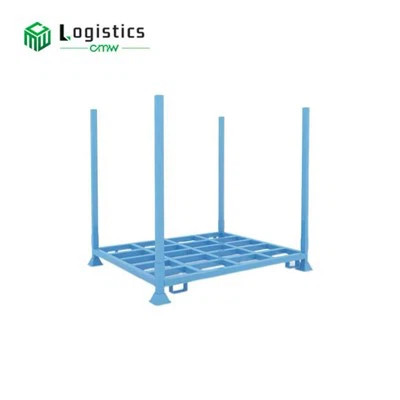

In the realm of material handling and storage, stillages play a pivotal role. As a stillage supplier, I understand the importance of stability in these essential equipment. A stable stillage not only ensures the safety of the stored goods but also enhances the overall efficiency of the storage and handling processes. In this blog, I will delve into several key aspects of how to improve the stability of a stillage.
Understanding the Basics of Stillage Stability
Before we explore the methods to enhance stability, it's crucial to understand the fundamental factors that influence it. The stability of a stillage is primarily determined by its design, the materials used, and the way it is loaded.
Design is the cornerstone of stability. A well - designed stillage should have a proper base area. A wider base provides more support and reduces the risk of tipping over. The height - to - base ratio is also a critical factor. A stillage that is too tall relative to its base width is more likely to be unstable. For example, if a stillage has a very narrow base and a high stack of goods on top, it becomes top - heavy and prone to toppling.
The materials used in the construction of the stillage also have a significant impact on its stability. High - quality, strong materials can withstand the weight of the stored items without deforming. For instance, steel stillages are generally more stable than those made of lighter materials like plastic, as steel has a higher strength - to - weight ratio and can better resist bending and warping under load.
The loading pattern of the stillage is another vital aspect. Uneven loading can cause an imbalance, leading to instability. If heavy items are placed on one side of the stillage while the other side remains relatively empty, the stillage will be more likely to tip in the direction of the heavier load.
Design Improvements for Enhanced Stability
Optimizing the Base Design
One of the most effective ways to improve stillage stability is to optimize the base design. A wider and more evenly distributed base can provide better support. For example, a stillage with a square or rectangular base that extends outwards at the bottom offers more surface area in contact with the ground. This increased contact area distributes the weight of the stillage and its contents more evenly, reducing the pressure on any single point and minimizing the risk of tipping.
Another option is to use a base with a non - slip surface. Rubber feet or textured coatings on the base can prevent the stillage from sliding on smooth floors, especially in environments where there may be vibrations or sudden movements. This is particularly important in warehouses where forklifts or other machinery are in constant operation.
Strengthening the Frame
The frame of the stillage is responsible for holding the structure together and supporting the load. Reinforcing the frame can significantly improve stability. This can be achieved by using thicker gauge materials or adding additional cross - braces. Cross - braces act as structural supports, distributing the load more evenly throughout the frame and preventing it from buckling under pressure.
For example, in a steel stillage, adding diagonal cross - braces between the vertical and horizontal members can create a triangular structure, which is inherently more stable than a simple rectangular frame. Triangular structures are known for their ability to resist deformation and distribute forces effectively.
Modifying the Height
As mentioned earlier, the height - to - base ratio is a crucial factor in stillage stability. If a stillage is too tall for its base, it can be made more stable by reducing its height or increasing the base size. In some cases, it may be possible to design a modular stillage where the height can be adjusted according to the specific storage requirements. This allows for greater flexibility while maintaining stability.
Material Selection for Stability
Choosing High - Strength Materials
Selecting the right materials is essential for improving stillage stability. High - strength materials can withstand heavier loads without deforming, ensuring that the stillage maintains its shape and stability over time. As a stillage supplier, I often recommend steel stillages for heavy - duty applications. Steel has excellent mechanical properties, including high tensile strength and stiffness, which make it ideal for supporting large and heavy items.
Aluminum is another material that can be used, especially in applications where weight is a concern. Although aluminum is lighter than steel, it still offers good strength - to - weight ratio and corrosion resistance. This makes it suitable for use in outdoor or humid environments where steel may be prone to rusting.
Considering Material Treatments
In addition to choosing the right material, applying appropriate treatments can further enhance the stability of the stillage. For example, galvanizing steel stillages can protect them from corrosion, ensuring that the structural integrity of the stillage is maintained over a longer period. A corroded stillage may have weakened areas that can compromise its stability, so preventing corrosion is crucial.
Coating the stillage with a protective layer can also improve its resistance to wear and tear. This is particularly important in environments where the stillage may come into contact with abrasive materials or sharp objects. A durable coating can prevent damage to the surface of the stillage, which could otherwise lead to structural weaknesses.
Proper Loading Techniques
Even Weight Distribution
Proper loading is one of the simplest yet most effective ways to improve stillage stability. Ensuring that the weight of the stored items is evenly distributed across the stillage is essential. This can be achieved by arranging the items in a balanced manner. For example, if storing boxes, place them in rows and columns so that the weight is spread out evenly. Avoid stacking all the heavy items on one side or in one corner of the stillage.
Loading According to Capacity
It's also important to load the stillage according to its rated capacity. Overloading a stillage can cause it to deform or even collapse, leading to serious safety hazards. As a stillage supplier, I always provide customers with clear information about the maximum load capacity of each stillage. It's crucial for users to adhere to these guidelines to maintain stability and safety.
Maintenance and Inspection
Regular Inspections
Regular inspections are necessary to ensure the continued stability of the stillage. Inspect the stillage for any signs of damage, such as cracks, bends, or loose connections. Any damaged parts should be repaired or replaced immediately to prevent further deterioration and maintain the structural integrity of the stillage.
For example, if a cross - brace on a stillage is bent, it may no longer be able to provide the necessary support. By identifying and replacing the bent cross - brace early, the stability of the stillage can be restored.
Proper Maintenance
Proper maintenance also plays a vital role in improving stillage stability. This includes cleaning the stillage regularly to remove any dirt, debris, or corrosive substances that may affect its performance. Lubricating moving parts, if any, can also prevent wear and ensure smooth operation.
Conclusion
Improving the stability of a stillage is a multi - faceted process that involves design optimization, material selection, proper loading techniques, and regular maintenance. As a stillage supplier, I am committed to providing high - quality stillages that meet the highest standards of stability and safety. By implementing the strategies outlined in this blog, businesses can enhance the performance of their stillages, reduce the risk of accidents, and improve the overall efficiency of their storage and handling operations.
If you are in the market for reliable and stable stillages, I invite you to contact me for a detailed discussion. Whether you have specific requirements for your storage facility or need advice on the best stillage solution for your business, I am here to help. Let's work together to find the perfect stillage solution that meets your needs and ensures the safety and efficiency of your operations.
References
- AS 4997 - 2006, “Stillages for general purpose use - Design, construction and testing”
- European Standard EN 15635:2014, “Stillages and racks for unit loads - Safety requirements and test methods”
- Machinery's Handbook, 31st Edition, Industrial Press Inc., which provides in - depth information on material properties and structural design principles.