


Hey there! As a supplier of steel post pallets, I get asked all the time, "How do I choose the right steel post pallet for my needs?" Well, you've come to the right place. In this blog, I'm gonna break down the key factors you need to consider when making this important decision.
1. Load Capacity
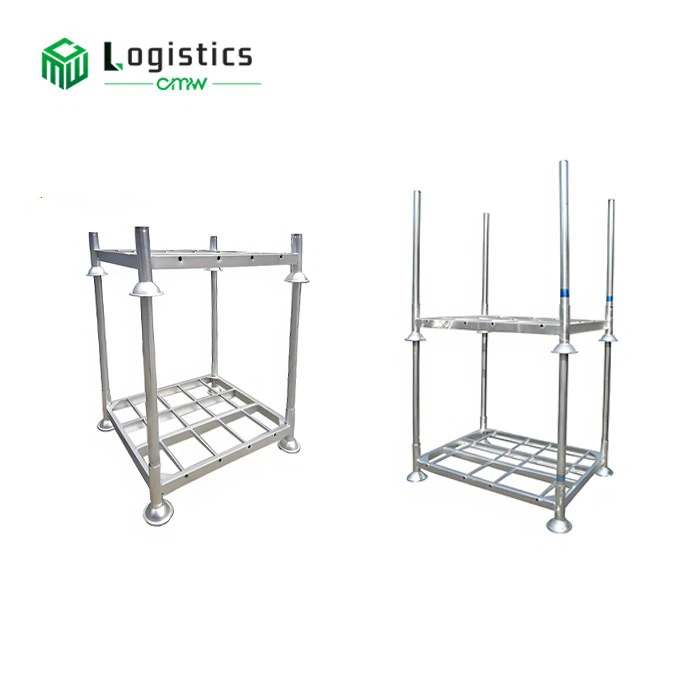
First things first, you gotta think about how much weight your pallet needs to hold. If you're dealing with light - duty items like small boxes of office supplies, a standard Metal Post Pallets might do the trick. These pallets usually have a lower load capacity, but they're more than enough for light loads.
On the other hand, if you're in the business of moving heavy machinery parts or large crates of industrial materials, you'll need Heavy Duty Post Pallets. These bad boys are built like tanks and can handle a whole lot of weight. Before you make a purchase, calculate the maximum weight your pallet will carry. Don't forget to factor in any dynamic loads, like when the pallet is being moved by a forklift.
2. Size and Dimensions
The size of the pallet is crucial. You need to make sure it fits your storage space and the equipment you use to move it. Measure the space where you plan to store the pallets. If you have a tight storage area, you might want to consider smaller pallets.
Also, think about the size of the items you'll be placing on the pallet. You don't want the items to overhang too much, as this can make the pallet unstable. Extended Metal Post Pallet are a great option if you have larger items to store. They offer more surface area, so you can place bigger or multiple items on them.
3. Durability and Material Quality
Steel post pallets are known for their durability, but not all steel is created equal. Look for pallets made from high - quality steel. The thickness of the steel and the quality of the welding can make a big difference in how long the pallet lasts.
If your pallets will be used in a harsh environment, like a wet or corrosive area, you might want to consider pallets with a protective coating. This can prevent rust and other forms of corrosion, which can weaken the pallet over time.
4. Compatibility with Handling Equipment
Your pallets need to be compatible with the equipment you use to move them, like forklifts or pallet jacks. Make sure the pallet has the right fork pockets. Different types of forklifts have different fork widths and lengths, so you need to choose a pallet that can accommodate your forklift.
Some pallets are designed for specific types of handling equipment. For example, if you use a walkie - stacker, you'll need a pallet that can be easily accessed and maneuvered by this type of machine.
5. Stackability
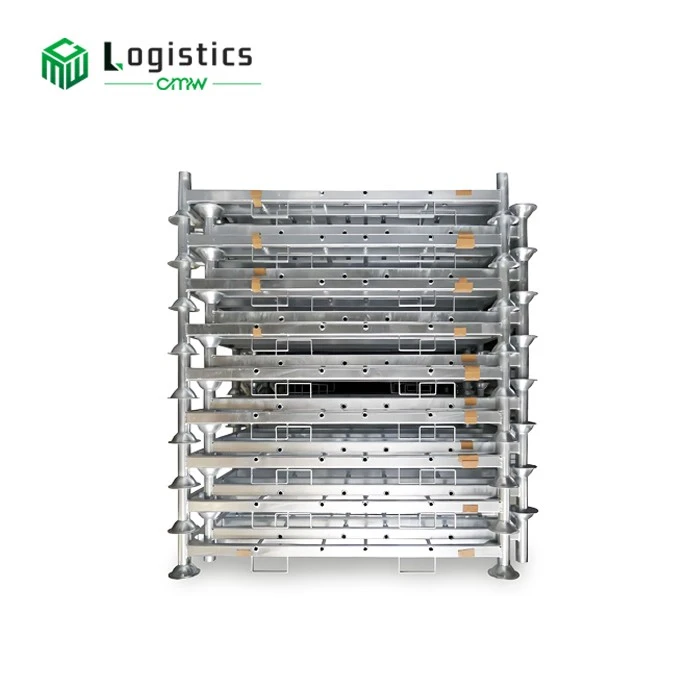
If you plan to stack your pallets, stackability is a must - consider factor. Look for pallets that have a stable stacking design. Some pallets have special features, like interlocking mechanisms, that make them easier and safer to stack.
Stacking pallets can save a lot of space in your warehouse, but you need to make sure the pallets can support the weight of the stacked layers. Always follow the manufacturer's guidelines on how many pallets can be safely stacked on top of each other.
6. Cost - Effectiveness
Of course, cost is always a factor. You don't want to overspend, but you also don't want to buy a cheap pallet that will break down quickly. Compare the prices of different pallets, but also consider the long - term costs.
A more expensive pallet made from high - quality materials might last longer and require less maintenance, which can save you money in the long run. Look for a balance between cost and quality.
7. Regulatory Compliance
Depending on your industry, there might be certain regulations regarding the use of pallets. For example, if you're in the food or pharmaceutical industry, you'll need pallets that meet strict hygiene standards.
Make sure the pallets you choose comply with all relevant regulations. This can help you avoid any legal issues and ensure the safety of your products.
8. Customization Options
If your needs are unique, you might want to look for a supplier that offers customization options. You can get pallets with specific sizes, load capacities, or other features tailored to your requirements.
Custom - made pallets can be a great solution, but they might cost more and take longer to produce. However, if they meet your exact needs, it could be worth the investment.
Conclusion
Choosing the right steel post pallet for your needs isn't as simple as it might seem. You need to consider load capacity, size, durability, compatibility with handling equipment, stackability, cost - effectiveness, regulatory compliance, and customization options.
As a steel post pallet supplier, I'm here to help you make the right choice. If you have any questions or need more information, don't hesitate to reach out. Whether you're a small business looking for a few pallets or a large corporation in need of a bulk order, we can work together to find the perfect solution for you.
So, if you're ready to start your search for the ideal steel post pallet, get in touch with us today. We'll guide you through the process and make sure you get the pallets that are just right for your business.
References
- General knowledge from the steel post pallet industry.
- Experience as a steel post pallet supplier.


